







City tapped media reps to play real-life reporters amid meter muddle
Documents show staffers pretended to be real-life reporters for mock interviews as Toronto City Hall prepared to break the news of its water meter woes.
Article content
See more Toronto Sun on Google — save as a Preferred Source

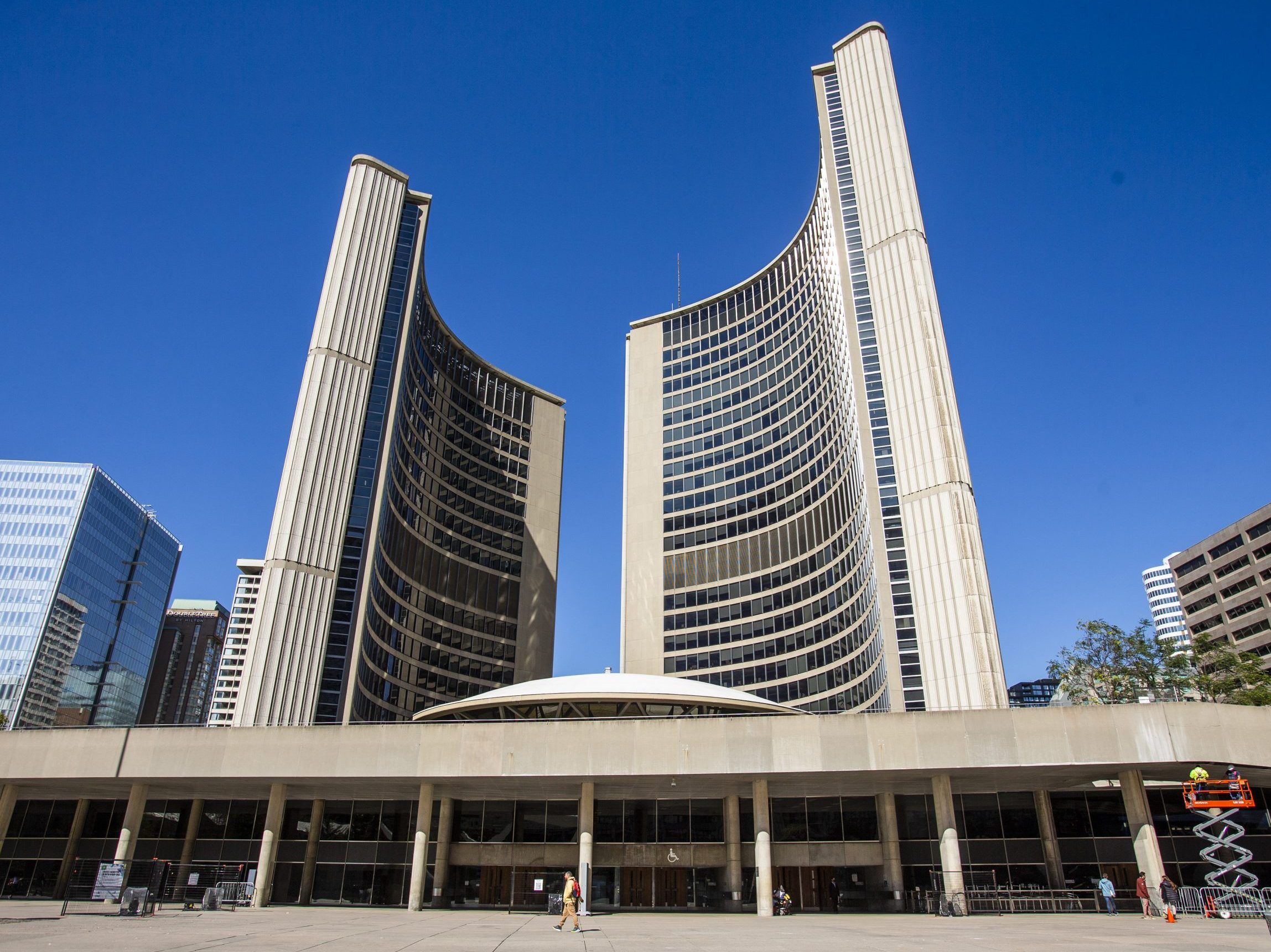
Bureaucrats at Toronto City Hall agonized over how the public and the press would react to news about its water meter woes, going so far as to hold mock interviews with staff who pretended to be real-life reporters, the Toronto Sun has learned.

tap here to see other videos from our team.
City tapped media reps to play real-life reporters amid meter muddle Back to video
tap here to see other videos from our team.
Details about the mock interviews, including some of the questions feared by city hall, were revealed after a freedom-of-information request. Two employees with the city’s media relations department pretended to grill top officials in November 2025, with the interviews filmed to be scrutinized afterward.
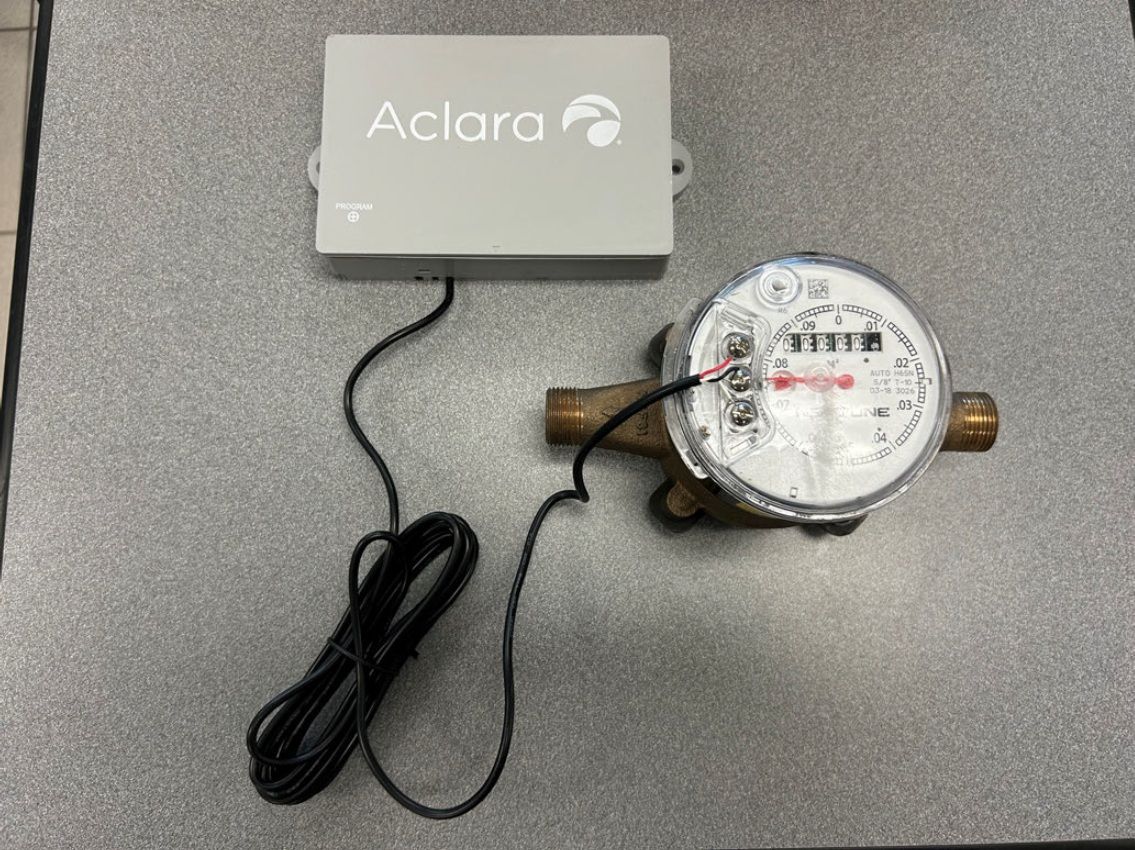
While the meters are not themselves malfunctioning, related devices that relay water use data to the city are faulty.
They are covered under warranty, and the city has negotiated with its vendors, Aclara Technologies and Neptune Technology Group, to get help in replacing them. Still, it’s a huge $103-million project with nearly half a million devices needing to be switched out.
The glitchy devices brought stress to some Torontonians who got shockingly high water bills after a malfunction.

“The City of Toronto has taken significant steps to keep residents and businesses informed of the water meter transmission unit replacement program,” Lou Di Gironimo, Toronto Water’s general manager, said in a statement to the Sun.
“The program remains on schedule, within budget and all water meter transmission units are expected to be replaced by December 2028,” Di Gironimo added.

Real problem, fake interviews
While city hall says it’s not uncommon to prep top staff for major presentations, the documents provided to the Sun offer an unusual peek into that process.
The documents suggest Di Gironimo and John Longarini, director of the city’s revenue services division, were subjected to the simulated interviews. It’s unclear if other bureaucrats were also interviewed.
City media reps pretended to be real reporters with Global News, CTV News and the Toronto Star. While staff with the Sun weren’t impersonated, in an interesting twist, one staffer pretended to be CTV’s Natalie Johnson, who is running for city council in the Beaches-East York ward.
The interview questions covered matters such as billing, the replacement process and “accountability” for Aclara, which supplies the devices.


Longarini was reportedly asked: “We’re already hearing stories of customers saying they received large bills after their meter failed. How is the city preparing to respond to these cases?”
Both officials would later be judged on their demeanour, tone, eye contact and other factors, the documents suggest.
Months after, in February, Toronto Water’s Lisa Botticella wrote to fellow bureaucrats about their “approach” to communications.
“I understand there is a bit of difficulty in finding a balance between preparing for the inevitable question from the media about the cost of the MTU replacement program and not violating the confidentiality of Aclara (and) Neptune contracts,” Botticella, a manager in charge of automated meters, wrote in an email. (It’s unclear what approach she recommended, as a related attachment was not provided to the Sun.)
Some waiting until 2028
In early March, media reps analyzed the news coverage that followed when city hall announced its program to replace the faulty units.
A report on 640 AM was singled out by a staffer as a “fun” favourite, while bureaucrats passed around a list of overwhelmingly negative comments under the Star’s coverage of the city’s press conference.
The city said in March that all units were expected to fail by September, although it would not confirm to the Sun if that has happened. Customers without a functional transmission unit get bills based on estimated use and can submit meter readings online, via 311 or in person at city hall.
As of September, the city had replaced 86,810 units, and is changing out roughly 20,000 each month. Etobicoke north of the Gardiner Expressway is the chunk of the city due to get the new units last, in summer 2028.
Toronto is not the only city that has had to swap out the devices. City hall says Houston, San Francisco and Moncton, N.B., are also going through the same process.



Postmedia is committed to maintaining a lively but civil forum for discussion. Please keep comments relevant and respectful. Comments may take up to an hour to appear on the site. You will receive an email if there is a reply to your comment, an update to a thread you follow or if a user you follow comments. Visit our Community Guidelines for more information.