







EDITORIAL: MAID changes should reflect society’s values
Laws shouldn’t be based on the demands of individuals, but on the values of the community as a whole

Article content
See more Toronto Sun on Google — save as a Preferred Source

The federal government announced recently that it will introduce legislation to exclude from Medical Assistance in Dying (MAID) those individuals whose sole medical condition is mental illness, Justice Minister Sean Fraser said last week.

tap here to see other videos from our team.
EDITORIAL: MAID changes should reflect society’s values Back to video
tap here to see other videos from our team.
The parliamentary Special Joint Committee on Medical Assistance in Dying released a report in June that said there’s no consensus among health-care professionals about the issue and that there’s inadequate access to mental health services across the country. The committee recommended that the government bring in legislation to “indefinitely exclude” from MAID those whose only underlying medical condition is mental illness.
The committee said there is a “divergence of perspectives” on the issue.
“While there is not a perfect consensus on this issue, we believe this is the correct approach at this particular time,” Fraser told the House of Commons last week. Without the legislation, the expansion will automatically occur next March. He added that the legislation will allow for “advance consent” for those in the early stages of dementia or other degenerative diseases whose capacity to give consent would be diminished over time.
MAID became law in 2016
When MAID became law in 2016, most viewed it as something only those suffering from a terminal illness could access. Few envisioned it would be appealed under the Charter of Rights and Freedoms to extend it to the mentally ill. Mental health professionals point out that there’s no consensus on when mental illness is so irremediably debilitating as to be terminal.
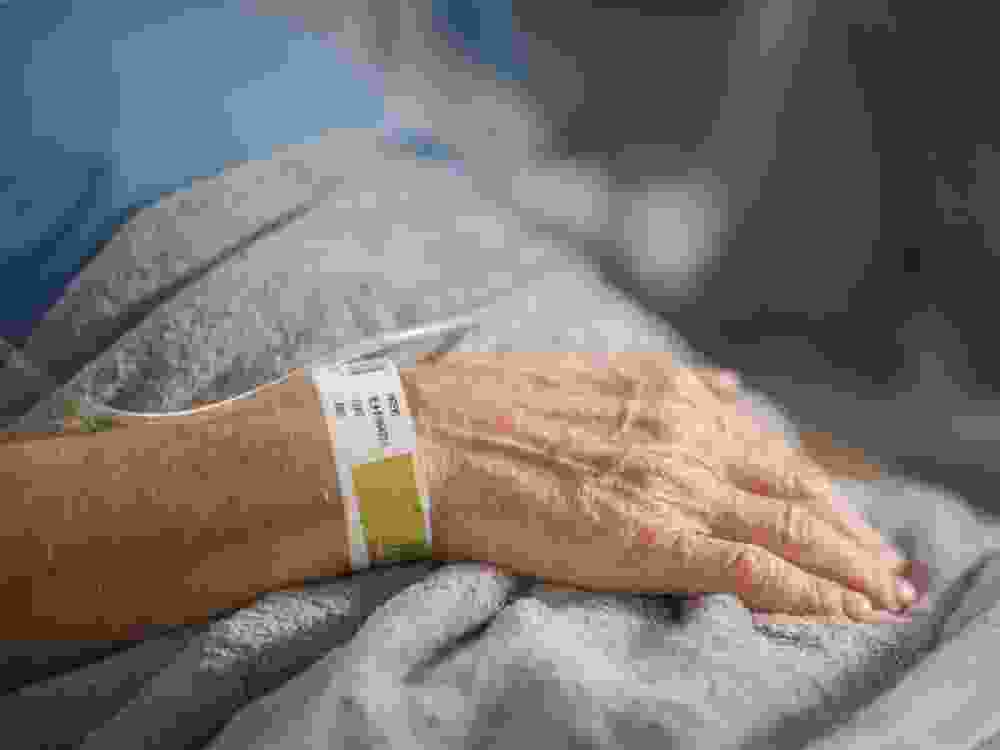
Those who seek to expand MAID cite an individual’s right to choose their own way out. That pits an individual’s right to bodily autonomy against the right of a nation to decide what kind of a community it wants to be. Do individuals set the rules on assisted dying? Or do we collectively decide those laws as a society?
There are doctors, nurses and other health professionals who believe it’s compassionate to provide MAID services to someone suffering from a terminal disease and whose painful death is imminent. It’s possible those same health-care professionals may not feel the same way about participating in the assisted death of someone suffering solely from a mental illness.
You cannot compel them to take part in something with which they don’t agree. Laws shouldn’t be based on the demands of individuals, but on the values of the community as a whole.
RECOMMENDED VIDEO
tap here to see other videos from our team.


Postmedia is committed to maintaining a lively but civil forum for discussion. Please keep comments relevant and respectful. Comments may take up to an hour to appear on the site. You will receive an email if there is a reply to your comment, an update to a thread you follow or if a user you follow comments. Visit our Community Guidelines for more information.