





LILLEY: NDP’s favourite subsidies? Ones that also benefit the rich
B.C. premier's taxpayer-funded daycare spot shows how universal programs too often help those who need them least
Article content

Why on earth does anyone with a household income of more than $500,000 need to have their daycare costs covered by taxpayers?

tap here to see other videos from our team.
LILLEY: NDP’s favourite subsidies? Ones that also benefit the rich Back to video
tap here to see other videos from our team.
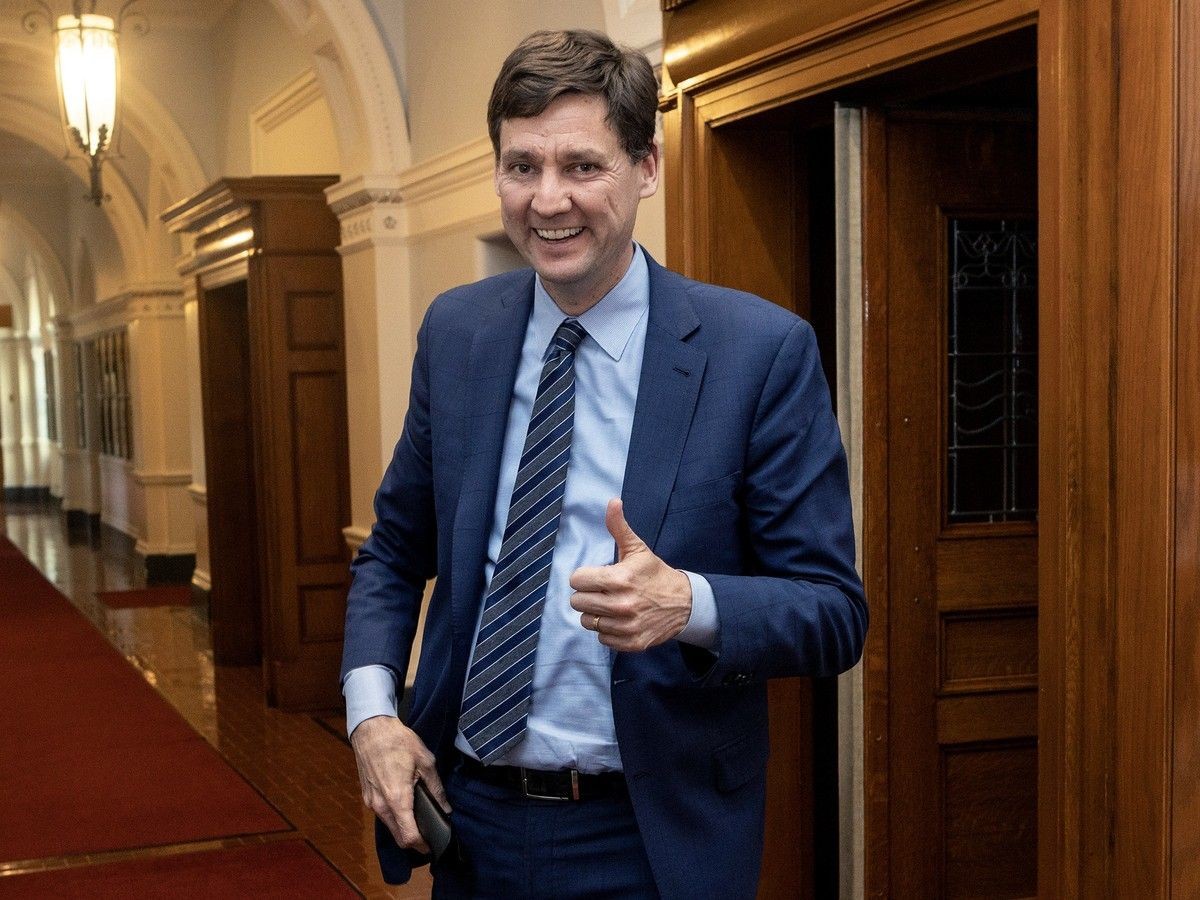
That’s a question British Columbia voters should rightly be asking after it was revealed that Premier David Eby, who has a salary of $227,111 and is married to a doctor, has his toddler daughter in a subsidized daycare space.
The NDP ran on offering $10-a-day childcare in 2017, long before the Justin Trudeau Liberals in Ottawa attempted to make it a national program.
The program began rolling out in 2018 and eight years on covers only about 10% of the province’s licensed childcare spots. That Eby and his well-to-do family are taking up one of those spots should be concerning to voters, but it shouldn’t be shocking to anyone who pays attention to such programs.

The rich get richer
Quebec launched its $5-a-day childcare program in 1997 with the promise that it would help low-income parents take part in the workforce. The promise was never fulfilled and Quebec’s program has always been more likely to help people like Eby and his family than the proverbial single mother politicians love to point to while making these promises.

Eby and his wife earn plenty, which no one should begrudge them, but they don’t need government help to pay for childcare.
It’s the same for far too many universal programs that should be means tested.
The Trudeau Liberals promised to deal with the fact that too many Canadians don’t have prescription drug coverage by offering a universal pharmacare program. Like millions of other Canadians, I have drug coverage provided by my employer and don’t need a government program paying for me.
For the “progressive” left, though, offering programs that help those who actually need them rather than offering them to everyone is offensive. So we end up with plans to have taxpayers pay for my prescription drugs or childcare costs when I don’t need the help.
The end result is that it waters down help for those who actually need it, while subsidizing those who don’t.
RECOMMENDED VIDEO
tap here to see other videos from our team.
Spreading the subsidies around
In Toronto’s mayoral election right now, the NDP-aligned Olivia Chow is promising to pay for my rides on the subway and streetcar after 10 trips per week. She’s looking to save people about $22 per month with this plan compared to the current one, but it would be better if it were a means-tested program.
I don’t need the $22-a-month discount, but many people could use twice that amount. The end result is that it waters down help for those who actually need it, while subsidizing those who don’t.
She’s also promising to pay for the breakfast and lunch of every public school student in the city. The breakfast program is already being rolled out, though inconsistently, with the help of the federal government, but Chow says she’ll save families $1,800 a year by providing a taxpayer-funded lunch to every student.
“With a robust school food program, we can give parents some breathing room. We can save families thousands of dollars a year feeding kids in school. And give parents a break on making lunch every day,” Chow said while announcing the program.

Help those who actually need it
I’m sure parents would love some breathing room and, from my experience, packing lunches can be a pain. That said, when did it become the job of the city or any level of government to provide two of three meals a day to my kids?
Will the next election see a promise of a universal dinner program?
What we know from the Eby example and from more than 30 years of watching Quebec’s program is that these unnecessary universal programs don’t help those who need help most. They act as a subsidy for people who can easily afford to pay for the services themselves.
Better to make the programs means-tested and help those who need it than to subsidize the 1% that the NDP loves to rail against, while living their champagne-socialist lives.



Postmedia is committed to maintaining a lively but civil forum for discussion. Please keep comments relevant and respectful. Comments may take up to an hour to appear on the site. You will receive an email if there is a reply to your comment, an update to a thread you follow or if a user you follow comments. Visit our Community Guidelines for more information.