


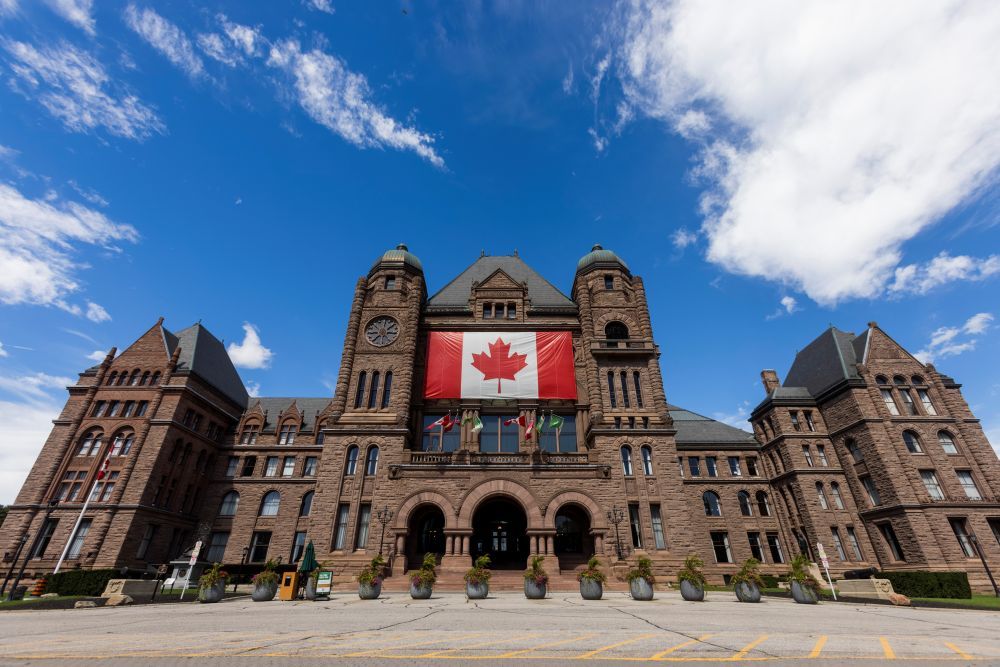



Germany, France among EU states pushing back on Canada's 'associate membership'
Ahead of next week's EU summit in Montreal, diplomats back closer ties with Canada but want 'associate membership' term dropped
Article content
See more Toronto Sun on Google — save as a Preferred Source

OTTAWA — Germany is behind a push by European Union (EU) nations opposed to the phrase “associate membership” as Canada works to deepen its ties to the European bloc.

tap here to see other videos from our team.
Germany, France among EU states pushing back on Canada's 'associate membership' Back to video
tap here to see other videos from our team.
In a story first broken Thursday by Politico, six diplomats told the news outlet that Germany — alongside France and at least six other EU nations — objects to the use of this label, floated by European Commission President Ursula von der Leyen during last month’s State of the Union address.
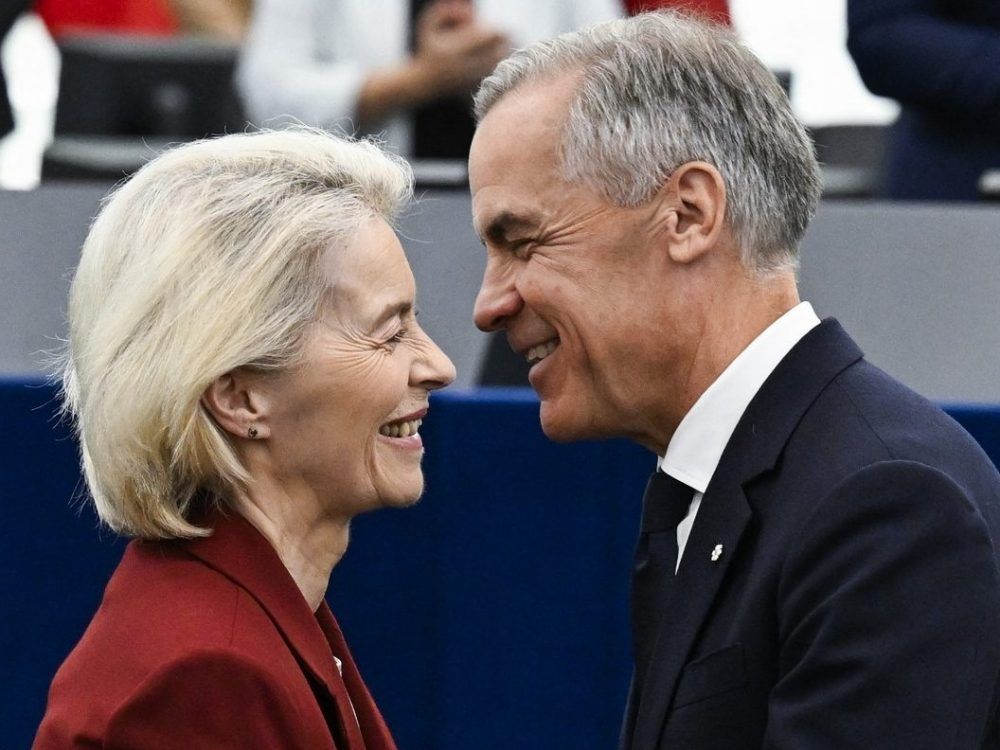
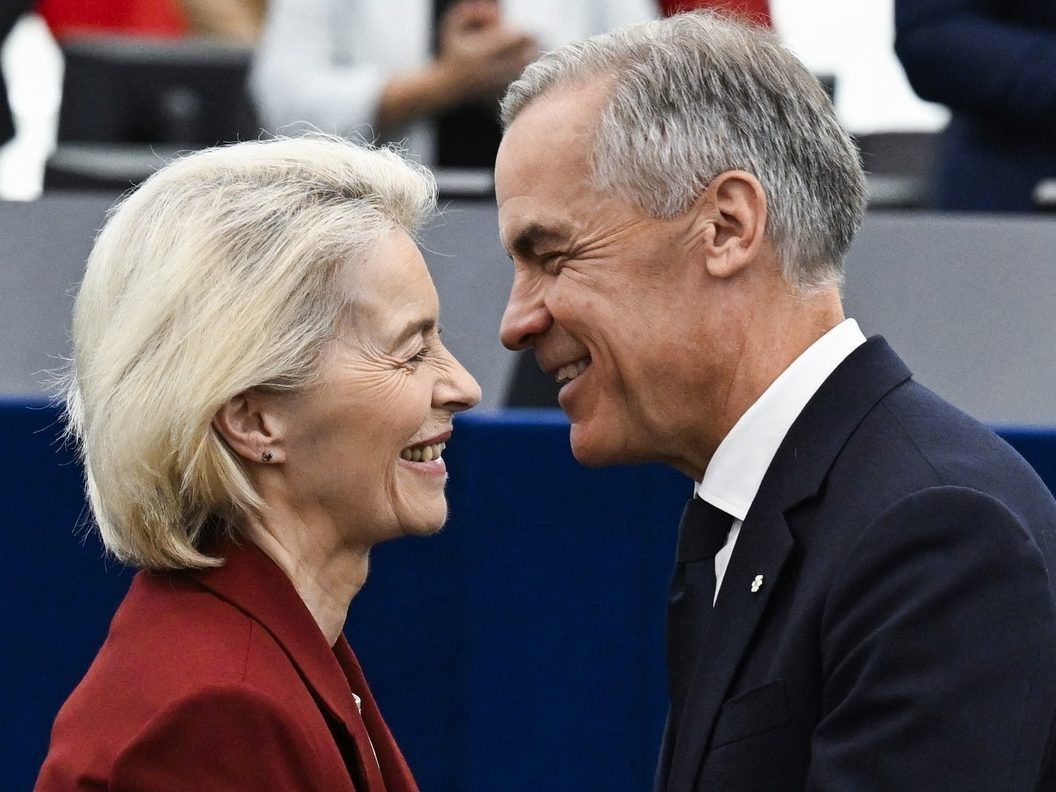
“I said we must urgently reimagine our partnerships. So, I would like to work with you on opening the door for Canada to be the first associate member of the EU,” von der Leyen said during her Sept. 16 speech in the eastern French town of Strasbourg, addressing Prime Minister Mark Carney — who was in attendance.
As members prepare to gather in Montreal next week for the EU-Canada summit, the term is proving to be a sticking point as negotiations hammering out a joint declaration continue.
Work on six priority areas concerning that declaration will begin after the summit concludes, with a review expected to come next year, Politico reported.

The Toronto Sun’s invitations for comment to Canada’s EU mission went unacknowledged by press time.
RECOMMENDED VIDEO
tap here to see other videos from our team.
Carney seeking ‘associate membership’ status as trade alliances shift
While full EU membership isn’t available for non-European nations like Canada, creating a unique “associate status” would forge unprecedented ties between Ottawa and Europe.
Driven by global uncertainty and aggression from nations like China and Russia — coupled with closer-to-home concerns over increasingly unstable and erratic American leadership — the proposed alignment is meant to deepen ties in defence, green energy and technology without requiring Canada to redraw its borders or force Canadians to exchange their loonies for euros.
At the same time, the EU is seeking means to strengthen supply chains, defence posture and energy security with reliable, stable democratic allies — a job to which Canada fits the bill.
Issue isn’t with Canada
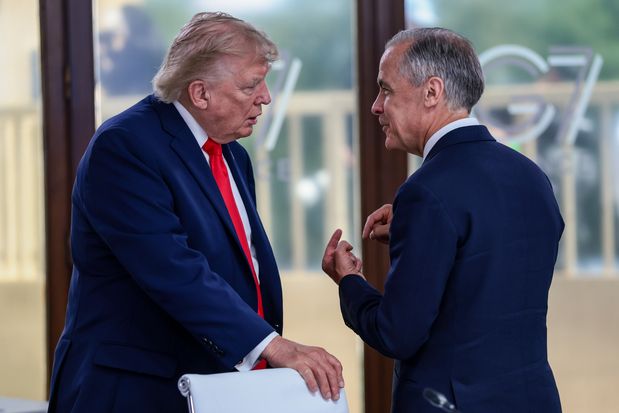
The United States has taken issue with Canada’s potential EU membership, with U.S. President Donald Trump last month referring to such as move as a “hostile act,” threatening new rounds of tariffs for Europe should the alliance go forward.
Diplomats who spoke to Politico said their objections concern employing the phrase “associate membership,” and not initiatives to seek closer ties with Canada.
Politico reported that Germany is the leading voice behind dropping the term — while other nations including France, Belgium and Italy putting forth doubts of their own, with some expressing frustration with von der Leyen for not consulting EU member states before making the declaration.
“We’ve definitely put the cart before the horse,” one diplomat told Politico.


Postmedia is committed to maintaining a lively but civil forum for discussion. Please keep comments relevant and respectful. Comments may take up to an hour to appear on the site. You will receive an email if there is a reply to your comment, an update to a thread you follow or if a user you follow comments. Visit our Community Guidelines for more information.